


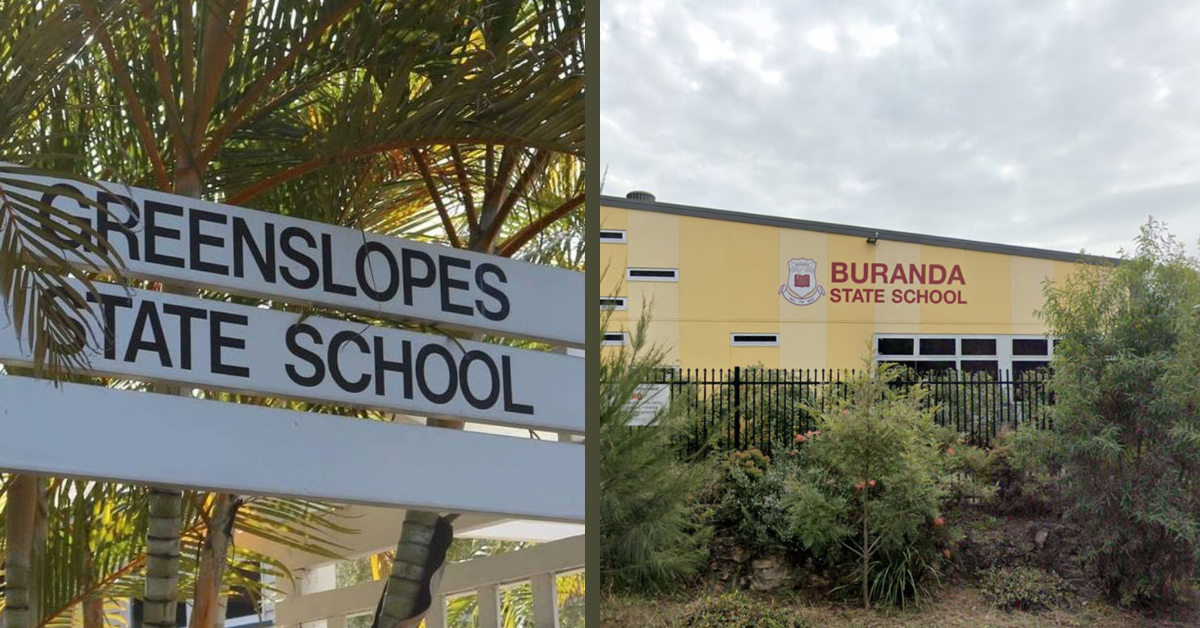
Two schools in Brisabane’s south east have recorded strong results for behaviour management, with each showing a different approach to student wellbeing and responsibility.
At Greenslopes State School, parents, staff and students gave matched responses in the Queensland Department of Education’s 2025 School Opinion Survey. Among Greenslopes students who responded, 86.4 per cent agreed that behaviour was managed well.

At nearby Buranda State School, 93.8 per cent of responding students agreed. It was the highest reported student result across Brisbane.
The survey measures confidence in how behaviour is managed. It does not count classroom disruptions, playground incidents or suspensions.
Greenslopes takes wellbeing school-wide
Greenslopes teaches social and emotional skills from Prep to Year 6 through the Second Step program. Students learn about empathy, emotion management, problem-solving and skills for learning. The school’s wellbeing framework also links these lessons to its Big Six values: resilience, respect, integrity, opportunity, community and embracing diversity.
The programs give students regular ways to discuss emotions, relationships and responsible decisions. They form part of a wider support system used across year levels.
Greenslopes’ Student Learning and Wellbeing Framework sets out different levels of help. Some measures apply to every student, while others support children who need extra assistance.
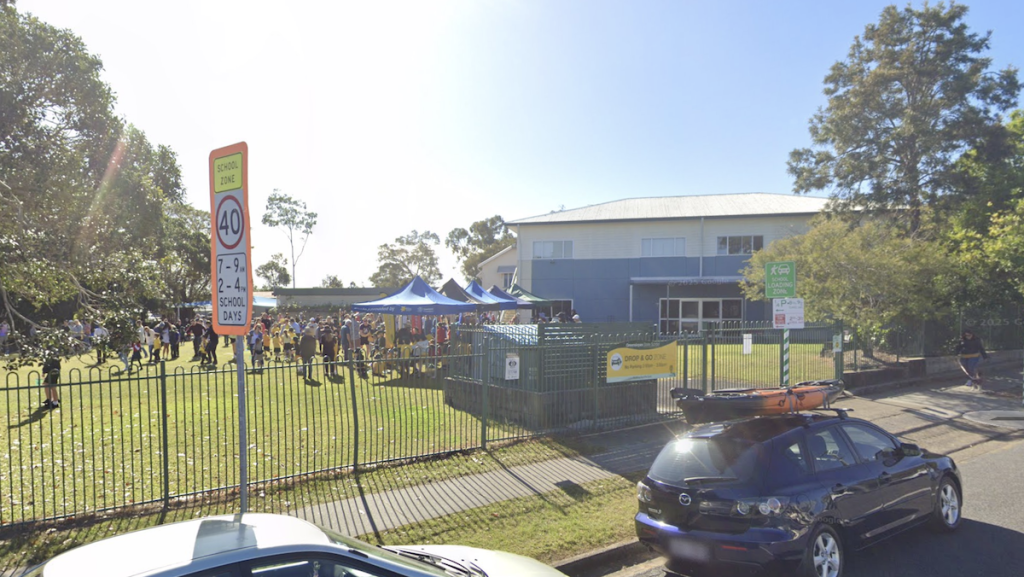
The framework includes positive recognition, Zones of Regulation, guidance services, individual plans and referrals to outside providers. Its tiered structure aims to offer early intervention before concerns become more serious.



The school’s 2025 Annual Improvement Plan also identifies productive partnerships and stronger student-staff relationships as important areas of work.
Families stay involved at Greenslopes
The Greenslopes State School P&C supports camps, excursions, school experiences and resources for students who face extra challenges. Its strategic plan aims to build an inclusive community where parents, staff and students feel welcome and valued. The group also encourages volunteering, fundraising and wider family involvement.
Second Step also includes activities that families can use at home. This helps reinforce the school’s social and emotional learning messages beyond the classroom.
Buranda students practise reasoning and discussion
Buranda State School has taught philosophy to all students since 1997. Each week, children take part in an hour of philosophy activities led by trained classroom teachers. They listen to different views, explain their reasoning and build on the ideas of others. Students also explore questions about fairness, knowledge, judgement and decision-making.
Buranda’s philosophy program encourages care, respect and reasoned problem-solving. It gives children regular practice in dealing with disagreement and justifying their views.
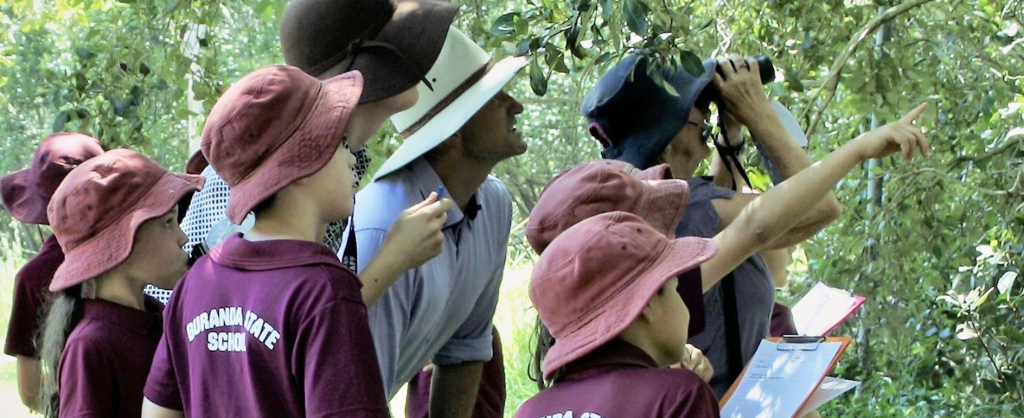
Buranda’s P&C takes learning beyond the classroom
Buranda’s P&C supports environmental education, sport, instrumental music and community events. These include Winter Solstice, Buranda Fest and a school movie night. The group also gives parents a place to raise concerns and contribute to school decisions. Its work goes beyond fundraising by helping families stay connected to school programs and priorities.
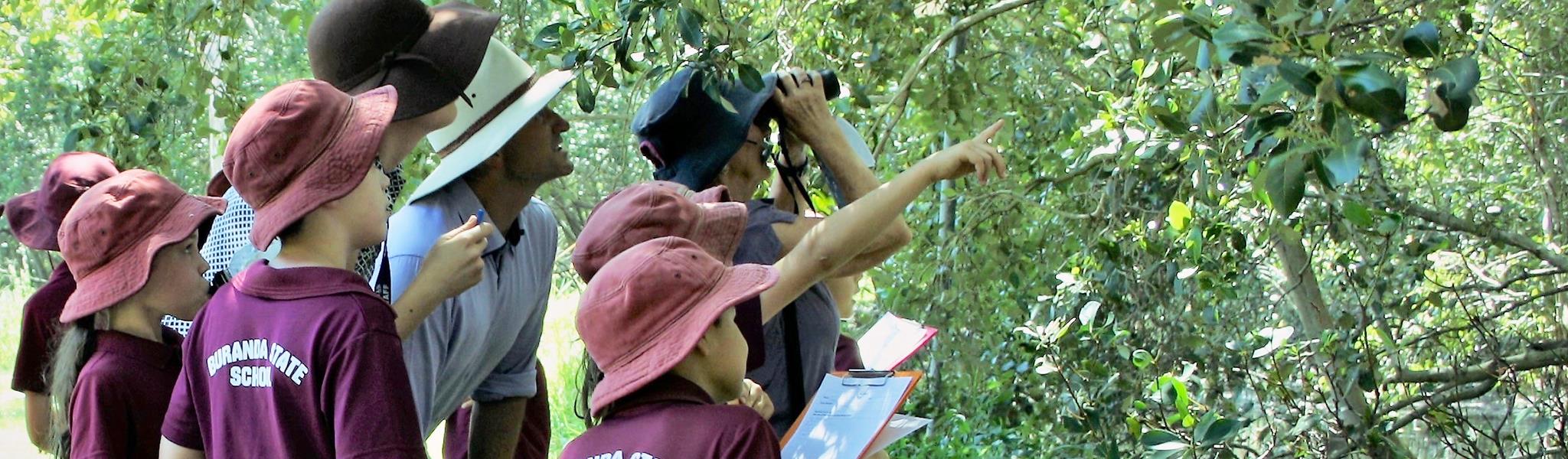
Buranda’s environmental education program adds a practical element to school life. Students learn about sustainability, care for chickens and grow vegetables in the school garden. The program gives children another way to contribute to their school community.
Two schools, different approaches
Greenslopes combines shared values, school-wide wellbeing lessons and tiered support systems. The finding sits alongside a school-wide approach to social and emotional learning.
Buranda places strong emphasis on reasoning, discussion and justified decision-making. Their system provides a useful backdrop to a long-running philosophy program built around inquiry and reasoned judgement.
Neither result means the schools have perfect behaviour or fewer challenges than every other school. What the results show is confidence among the people who responded.
Published 29-July-2026