


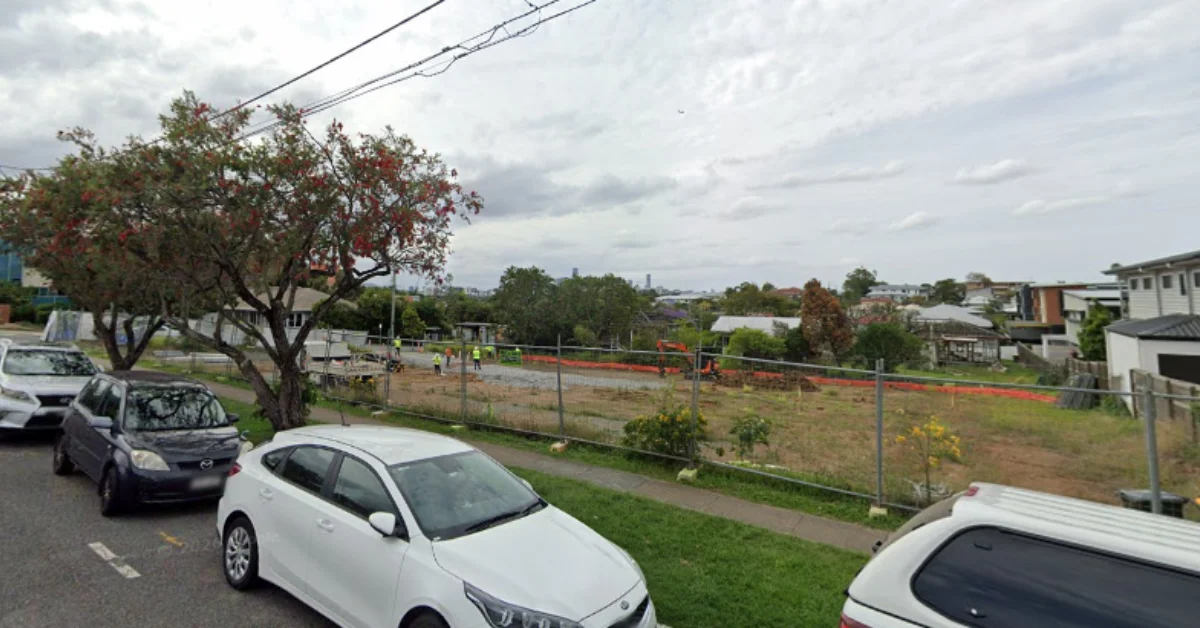
One Step Closer: Headfort Street Park Moves Nearer To Reality

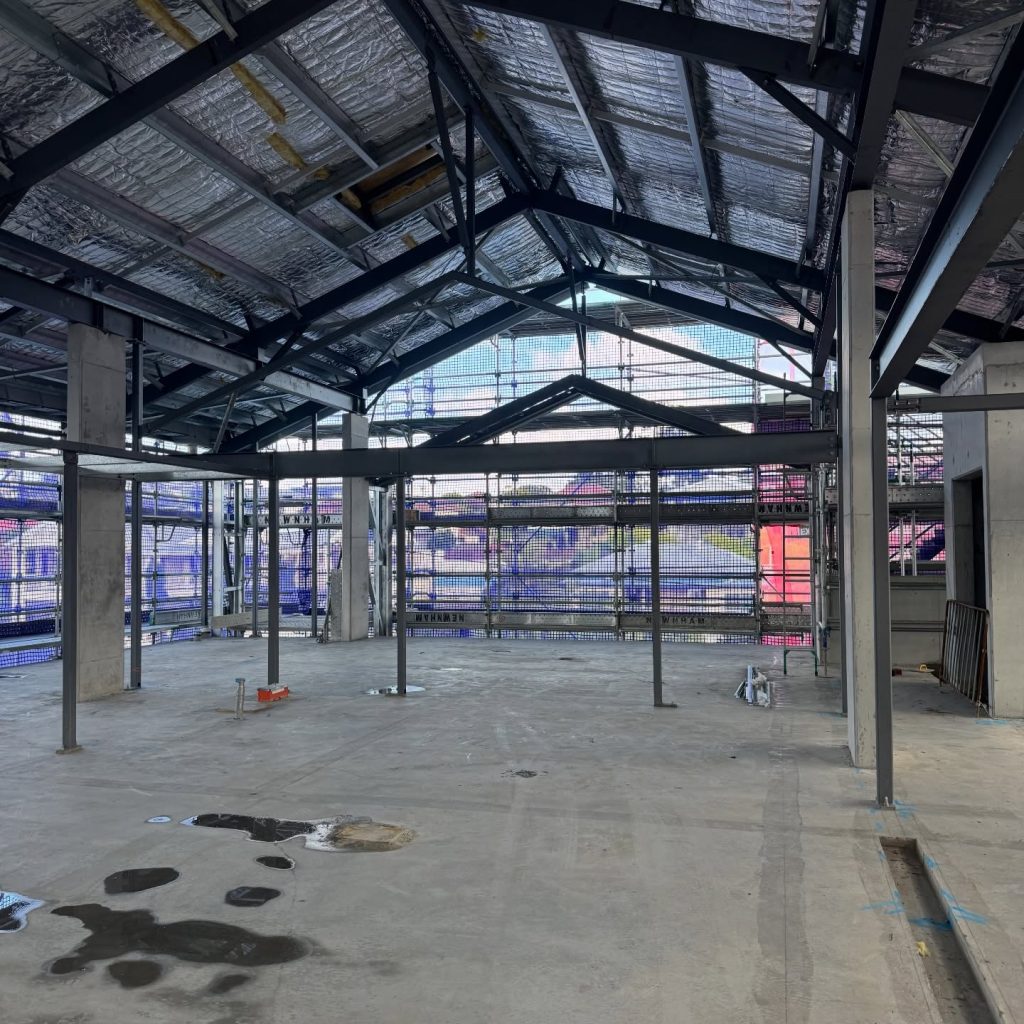
A planned community park on Headfort Street in Greenslopes is inching closer to reality, with a key construction milestone just reached on the neighbouring Brisbane Legacy House project.


Read: Legacy House for Veterans Takes Shape in Greenslopes


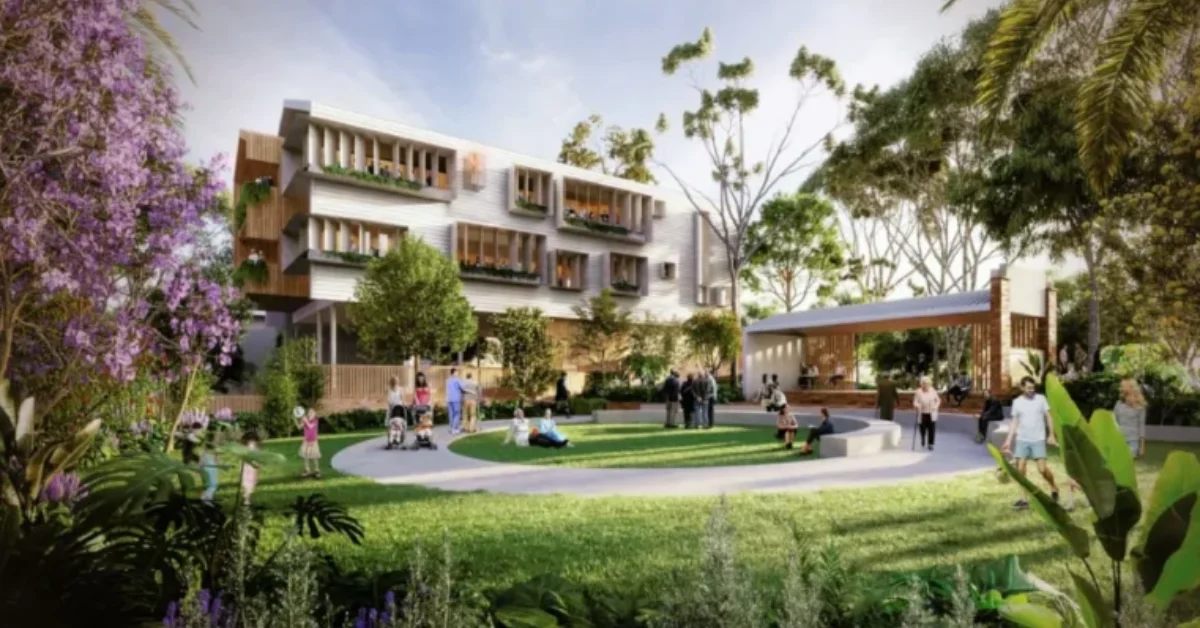
Brisbane has been planning the new park as part of a broader redevelopment of the site, which sits within the Greenslopes Hospital Precinct. The project is linked to the construction of Brisbane Legacy House, a $9.2 million multi-disciplinary care centre for veterans and their families, which is being built on part of the same land. Brisbane has confirmed park works will begin once Legacy House construction is complete.
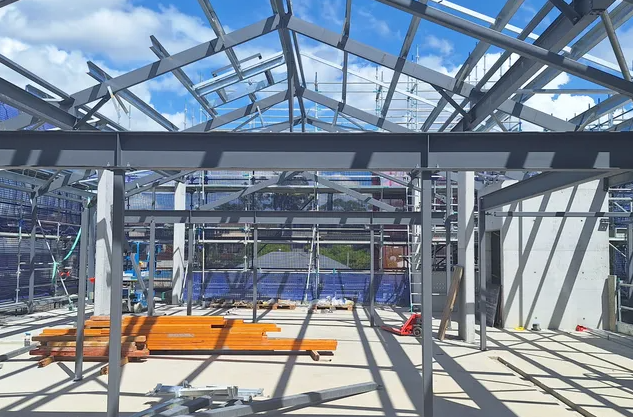
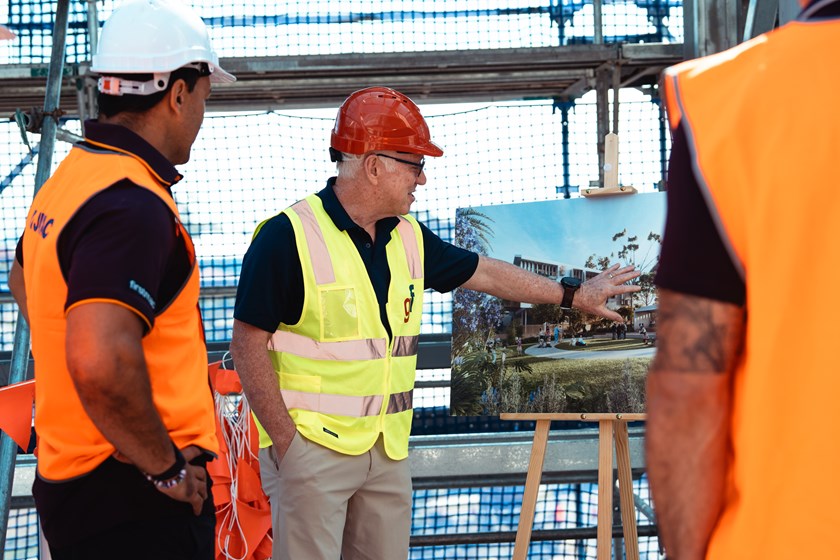
Photo credit: BMD Group

That moment is now drawing nearer. Builder JMac, part of the BMD Group, recently held a topping-out ceremony for Legacy House, a traditional milestone in the construction industry. According to BMD Group, the project is expected to be finished later this year, which brings the park one step closer to breaking ground.

A site with deep roots

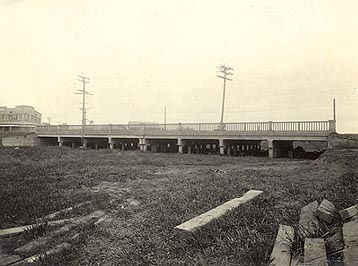
The Headfort Street site carries a long history tied to the area’s military past. The former Red Cross Centre at the corner of Headfort and Newdegate Streets was built around 1945 as a recreation centre for service personnel recovering at what was then the 112th Australian General Hospital, funded by money raised through the Australian Red Cross Café in Brisbane. 

The Department of Veterans’ Affairs later sought approval to remediate the contaminated site and sell it to Brisbane for the purpose of constructing a public park and Legacy House. The site sat largely abandoned for years before that process got underway, with the prospect of a community park there as far back as 2020.
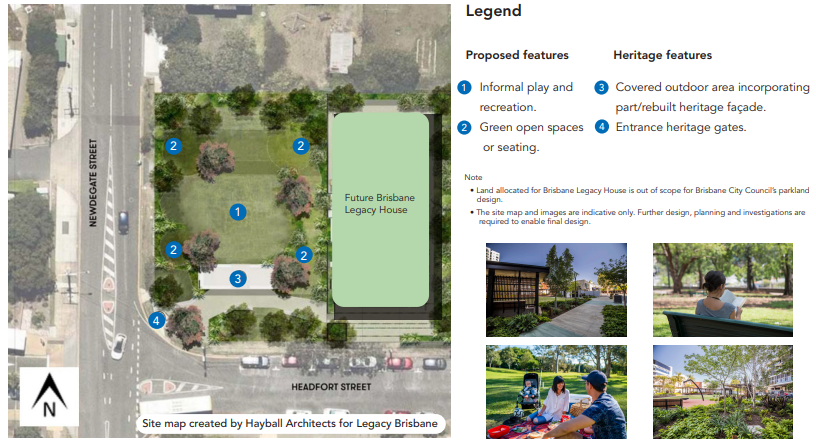
Photo credit: BCC

Brisbane’s plans for the park include both new community amenities and nods to the site’s heritage. Proposed features include shade trees and structures, seating and picnic areas, pedestrian pathways, and open green spaces for informal recreation. The plans also call for the inclusion of heritage features, specifically the site’s original gates and facade.

Community input and next steps

Community input was sought during the project’s planning phase. Council ran engagement on proposed park features in November and December 2023, with a final concept plan released in mid-2025.


Read: New Community Park Planned at Former Red Cross Site in Greenslopes


The park falls within the Coorparoo Ward and is classified as a planned Council project. Residents wanting to stay across progress or provide feedback can contact Council on 07 3403 8888 or email the project team at parks@brisbane.qld.gov.au

Published 20-May-2026
Meet Dougal and Buddy: The Therapy Dogs Making a Difference at Greenslopes Private Hospital

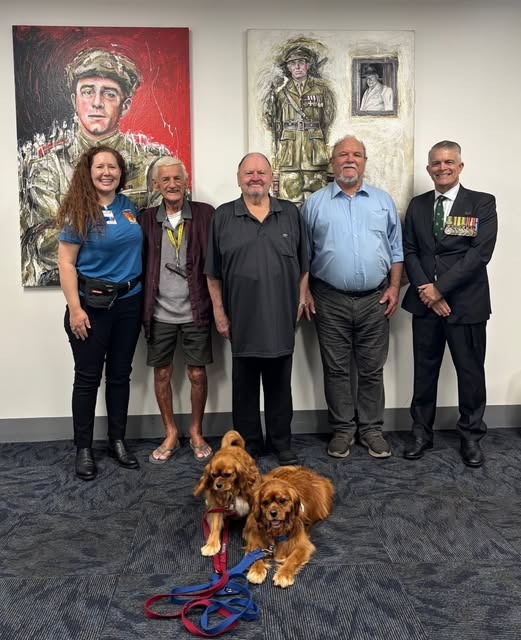
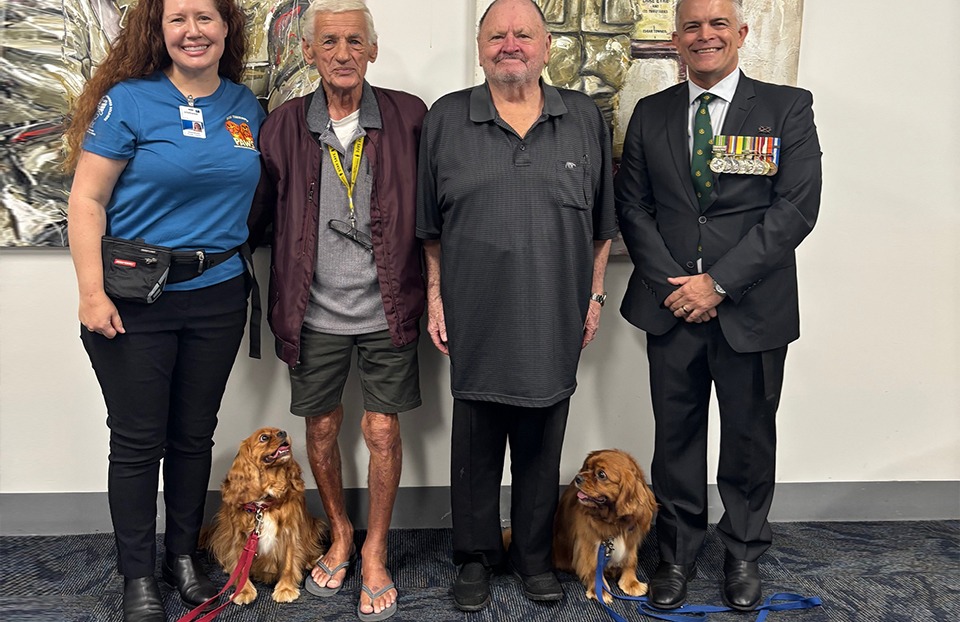
Therapy dogs Dougal and Buddy have become familiar faces at Greenslopes Private Hospital, where a dedicated dog therapy program originally established for veterans has recently expanded to include all patients and staff.


Read: Greenslopes Private Hospital Celebrates 500th Life-Changing Heart Procedure


The pair recently appeared on national TV to highlight the work they do with veterans, particularly in the lead-up to ANZAC Day, a period that can bring a mix of emotions for those who have served.

Queensland’s Only Veteran-Focused Dog Therapy Program

Photo credit: Greenslopes Private Hospital

Dougal and Buddy are the core of PAWS, or Puppies Assisting Wounded Soldiers, founded by war veteran Tony Wilson. Having served in Iraq and Afghanistan, Tony established the program in 2025 after seeing a fellow veteran deeply affected by their service experience. He has spoken about being motivated by that experience and wanting to find a way to make a meaningful difference.

PAWS is currently Queensland’s only dog therapy program specifically designed to support veterans, run with the help of dedicated volunteers. Tony has described the program as offering something small but powerful, with the simple act of pats and cuddles serving as a reminder to veterans that they are not alone.

The program’s positive impact was quickly recognised by hospital leadership. CEO Justin Greenwell confirmed that its success led to a hospital-wide expansion, announced in April 2026, with Dougal and Buddy now visiting all patients and staff. 


Read: Greenslopes Private Hospital Pioneers Lymphoedema Surgery in Queensland


Mr Greenwell has noted that the dogs help provide moments of distraction, reduce stress, and contribute to a more positive environment for everyone at the hospital. Tony has also said that seeing the impact Dougal and Buddy have had on the veteran community has been deeply rewarding, and that he is pleased the program can now benefit a wider group of people.

A Hospital With Deep Military Roots

Photo credit: Greenslopes Private Hospital

Greenslopes Private Hospital has a longstanding connection to Australia’s military community. It opened in 1942 as a military facility during World War II and later served as a repatriation hospital. Now operated by Ramsay Health Care, the hospital continues to provide dedicated care for Australian veterans and their widows. The hospital has noted that the PAWS program reflects its ongoing commitment to veteran care.

Published 13-May-2026
Shop, Savour, Win: Why More Brisbane Locals Are Rediscovering Stones Corner

A quick coffee run in Stones Corner rarely stays a quick coffee run.

You stop for breakfast, wander past a vintage rack, duck into a bookstore, grab lunch, run into someone you know, and somehow the afternoon disappears. That ability to keep people lingering has long been part of the precinct’s appeal — and this month, locals are being rewarded for doing exactly that.

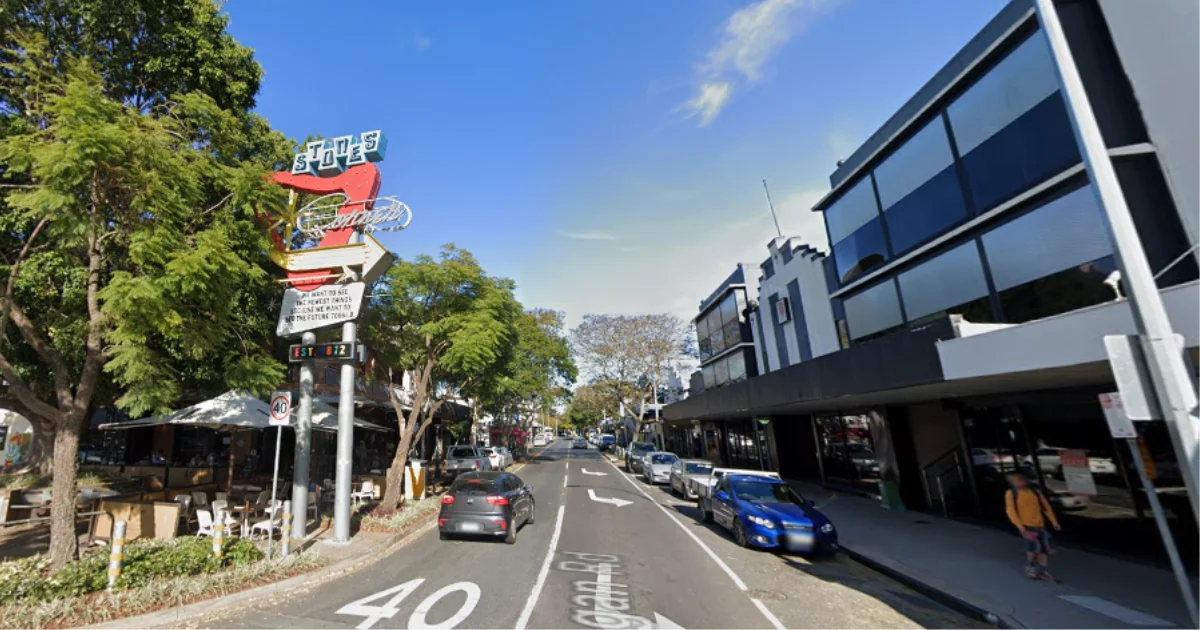
Stones Corner sign
Photo Credit: Supplied

Shop, Savour, Win

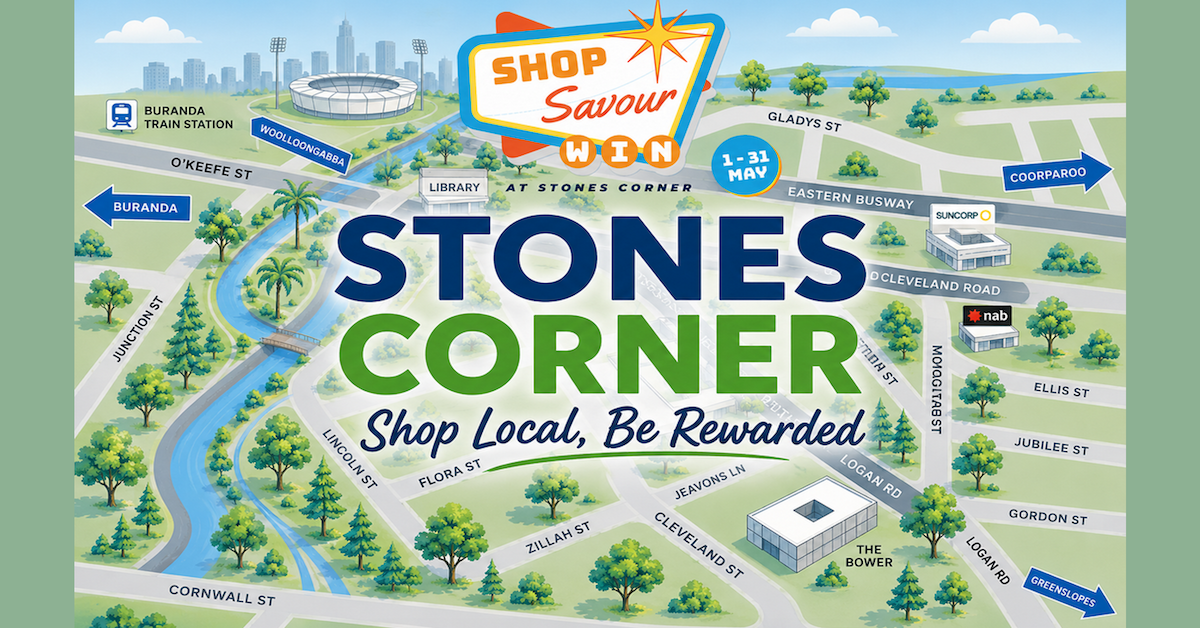
Throughout the month of May, shoppers who spend $20 or more at participating Stones Corner precinct businesses can enter the Shop Savour Win campaign, a month-long promotion designed to encourage visitors to explore more of the precinct’s evolving high street.

Ten $100 EFTPOS gift cards are up for grabs across the campaign, with bonus entries available for those who visit multiple participating businesses.

Shop Savour Win at Stones Corner
Photo Credit: Supplied
Receipts of purchases
Photo Credit: Supplied
or use this QR code to upload receipts

In a precinct built around wandering, discovering and staying a little longer than planned, the Shop Savour Win campaign may be one of the easiest competitions in Brisbane to enter.

Pro Tip: You get additional entries for visiting multiple businesses—so go ahead, explore the whole strip.


A Precinct Back in the Spotlight

‘Shop Savour Win at Stones Corner’ is an initiative under Brisbane City Council’s Growing Precincts Together program and forms part of broader efforts to increase foot traffic and support local traders within the Stones Corner Suburban Renewal Precinct, which stretches along Logan Road between Gladys Street and Cornwall Street.

While the area has always had a loyal local following, recent upgrades and renewed interest in the precinct have helped cement its reputation as one of Brisbane’s most distinctive inner-south shopping and dining destinations.

The revival has been especially noticeable around the upgraded Hanlon Park/Bur’uda corridor and the Logan Road high street, where a growing mix of hospitality venues, independent retailers and wellness operators has brought fresh energy back into the neighbourhood.

That renewed momentum was on full display during the recent Stones Corner Festival, which drew strong crowds and highlighted the precinct’s growing appeal as both a local destination and a broader lifestyle hub for Brisbane’s southside.

People are rediscovering that “old-school high street” magic. It’s a mix of independent spirit and eclectic character that big-box shopping malls just can’t replicate.

More Than Just a Shopping Strip

Unlike larger shopping centres built around speed and convenience, Stones Corner still trades heavily on character. The strip remains intentionally eclectic — part suburban village, part dining precinct, part vintage treasure hunt.

Visitors can move from specialty cafés and multicultural dining venues through to boutique retail, bookstores, craft beer spots, salons, fitness studios and independent service providers, all within a relatively compact and walkable section of Logan Road.

artist's impression of Stones Corner precinct
Artist’s perspective of the Stones Corner precinct. Photo Credit: Archipelago

The area’s accessibility also continues to work in its favour. Positioned just over four kilometres from the CBD and connected by both the busway and nearby rail links, Stones Corner occupies a rare middle ground — close to the city while still retaining the feel of a genuine neighbourhood high street.

The Businesses Driving the Precinct

Stones Corner precinct map
Google Maps

Food has become one of the precinct’s biggest attractions, with Sri Lankan, Italian, Indian, Malaysian, Japanese and Latin American venues sitting alongside long-running pubs, modern cafés and craft beer bars.

Popular names along the strip include Walkway to Ceylon, Sasso Italiano, Mirchh Masala, Clove n’ Honey, Stone Throw Espresso, Mourning Roast and the historic Stones Corner Hotel.

Retail also remains a major part of the precinct’s identity. Alongside anchor businesses such as ALDI and Healthyworld Pharmacy, the area is home to independent bookstores, vintage retailers, boutique fashion stores, artisan florists, beauty operators and specialty lifestyle businesses.

The precinct also supports a growing mix of wellness and professional services, ranging from fitness studios and float therapy operators through to salons, medical clinics and employment services.

One of the best-known examples of Stones Corner’s independent spirit is Books@Stones, the long-running bookstore that has become a local institution along the strip.

Books@Stones
Photo Credit: Supplied

The precinct’s blend of long-standing operators and newer arrivals has helped create the kind of street environment where people are encouraged to slow down, browse, and spend time exploring.

Built Around Discovery

The Shop Savour Win campaign is ultimately built around that sense of discovery.

Rather than focusing on a single shopping centre or major retailer, the promotion encourages visitors to move through the broader precinct — grabbing coffee, browsing boutiques, staying for dinner, and exploring businesses they may not have noticed before.

For many locals, that authenticity remains the drawcard.

The precinct’s roots stretch back to the late 1800s, when James Stone operated a ginger beer business near the corner of Logan and Old Cleveland Roads. Elements of that history still remain visible today, from heritage shopfronts through to the wartime air raid shelter near the library.

Published 12-May-2026


Brisbane Suburbs Online News is a proud supporter of Brisbane City Council’s Growing Precincts Together program. This is a paid advertorial.

Stones Corner Faces Skyline Change With Plans for 320 Apartments Across Twin Towers

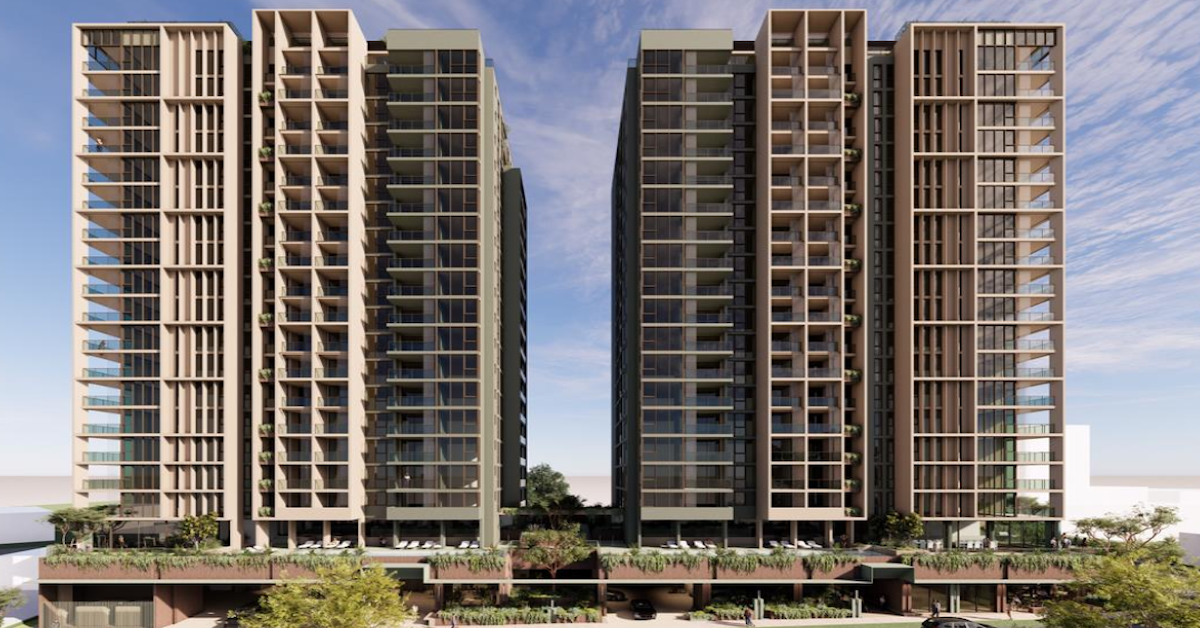
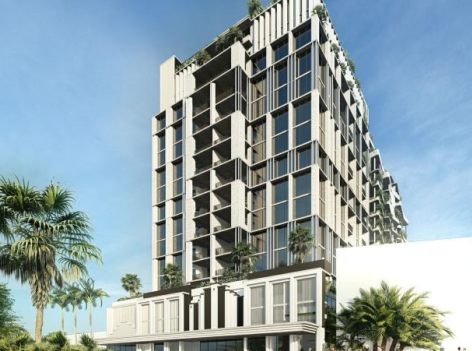
A stretch of low-rise buildings on Cleveland Street in Stones Corner could soon give way to two 20-storey towers, as developers push ahead with plans for a large residential project in the suburb — a proposal set to bring 320 apartments, hundreds of new residents and a noticeable addition to the area’s inner-south skyline.


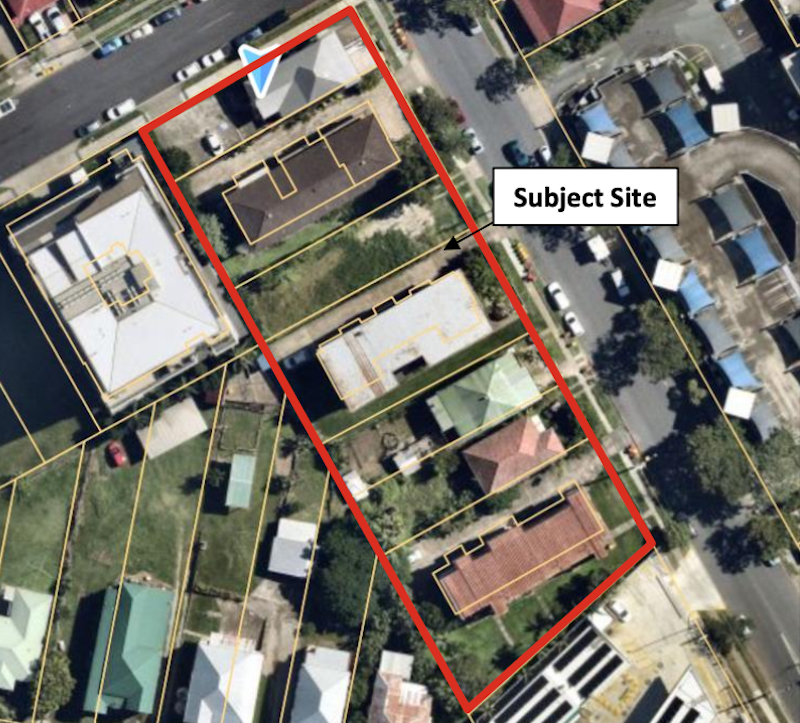
Plans lodged in April 2026 by Cleveland Projects Pty Ltd outline a two-stage mixed-use development across 71 to 85 Cleveland Street, directly opposite the Stones Corner district centre. The application (DA A007006920), prepared by Urban Strategies, includes two residential towers above a shared podium, ground-floor retail space, rooftop communal areas and four basement levels for parking and servicing.

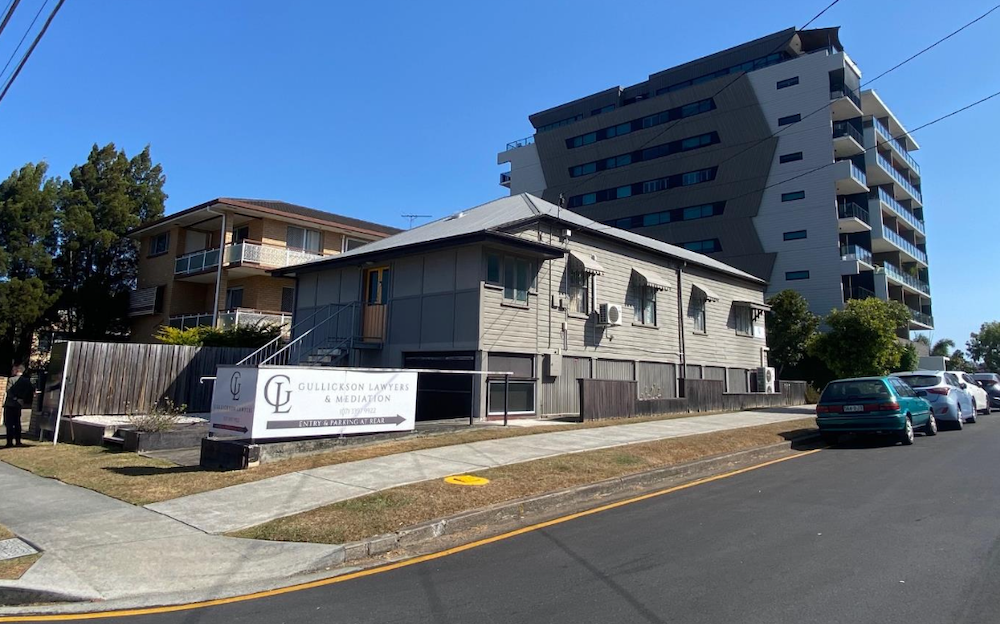
The project site currently contains a mix of older apartment blocks, detached houses and a former dwelling converted into office space. Under the proposal, those buildings would be removed to make way for a larger residential development in a part of Brisbane identified in planning documents as a higher-density housing area near transport and employment areas.

One of the existing buildings on the site
Photo Credit: DA 007006920

Towers Planned Opposite Stones Corner Centre

Planning documents show the towers would rise above an elevated podium facing Cleveland Street, with two commercial tenancies designed to activate the street frontage. The proposal includes 127 one-bedroom apartments, 65 two-bedroom units, 120 three-bedroom apartments and eight four-bedroom dwellings.

Photo Credit: DA 007006920

Architectural plans prepared by Ellivo Architects show the development split into two construction stages. The southern tower would be built first alongside part of the basement and podium structure, followed by the northern tower in a later stage.

The site is in the High Density Residential zone, identified as “up to 15 storeys”, but the applicant’s planning report says the Eastern Corridor Neighbourhood Plan supports a 20-storey outcome for a site of this size and frontage.

Cleveland Street Site Sits Near Rail, Busway and Hospital Jobs

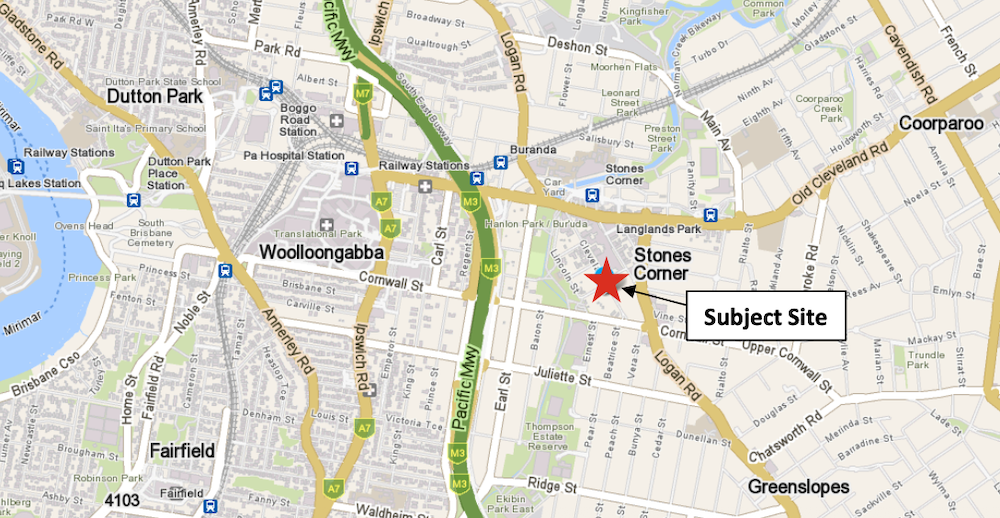
The site sits between the Stones Corner commercial strip and Hanlon Park, within walking distance of Buranda train station, the South East Busway and the Princess Alexandra Hospital precinct.

Photo Credit: DA 007006920

Planning material submitted to Brisbane City Council argues the location is suited to higher-density housing because of its access to jobs, public transport and nearby services. The documents describe the area as part of an ongoing transition across Stones Corner, Buranda and Woolloongabba as more housing is directed towards established transport corridors.

Transport consultants from Colliers Engineering & Design noted the project would place hundreds of new residents within reach of major bus and rail connections, including services along Logan Road, Cornwall Street and the nearby busway network.

Hundreds of Car Parks Included in Proposal

The plans include 547 vehicle spaces spread across basement, ground and mezzanine levels. That figure includes resident parking, visitor bays and commercial spaces.

The proposal also includes 205 bicycle spaces, with pedestrian access planned from Cleveland Street and new pathways linking residents to the surrounding footpath network.

Traffic modelling submitted with the application found nearby intersections at Logan Road, Cornwall Street and Cleveland Street were operating within acceptable limits during peak periods, though the report acknowledged increased traffic volumes would move through the surrounding road network once both towers are complete.

The transport report prepared for Gardner Vaughan Group said the development would generate additional daily vehicle movements but remained supportable under Brisbane City Council transport standards.

Construction Planned in Two Stages

Construction staging plans show the southern half of the development would be built first, including major excavation works for the lower basement levels, with the northern tower marked for a later stage.

Basement plans show large areas allocated for resident storage, loading zones, waste collection and electric vehicle infrastructure. Service vehicle access would be taken from Cleveland Street through dedicated entry points designed for loading trucks and refuse vehicles.

Application drawings also show communal areas, rooftop terrace levels and planting spread throughout the site.

Stones Corner Continues Shift Towards Higher Density Housing

The proposal adds to planning documents’ picture of Stones Corner as an area moving toward higher-density housing near transport and employment centres across Brisbane’s inner south.

The application places the project within broader growth occurring around Stones Corner, Buranda and Woolloongabba, where larger residential developments are increasingly being proposed near major public transport links.

If approved, the Cleveland Street project would add a 20-storey residential development to the immediate Stones Corner area.


Published 8-May-2026

What The Gabba Redevelopment Could Mean For Stones Corner

The Gabba may sit a few suburbs away from Stones Corner, but the planned transformation of the famous stadium site could soon shape everyday life across Brisbane’s inner south, with new housing, major events, changing traffic flows and a large entertainment precinct all set to arrive on the city fringe.


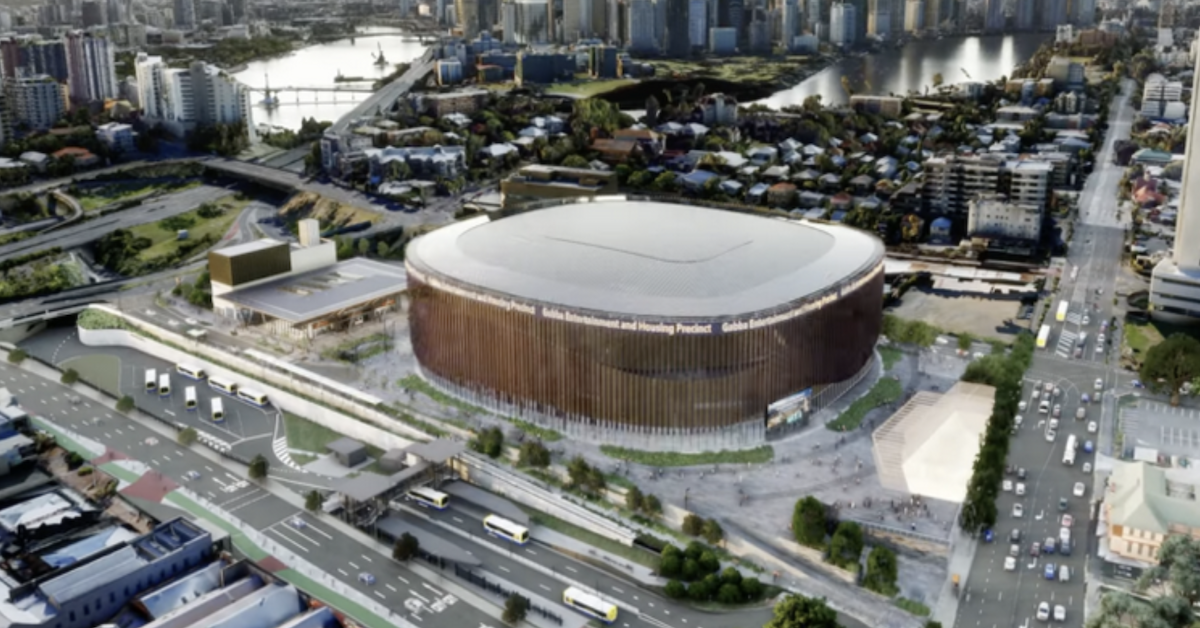
Queensland is moving ahead with plans to turn the Gabba precinct into a mixed-use entertainment and housing hub once the stadium reaches the end of its life after the 2032 Olympic and Paralympic Games. The redevelopment would replace the single-use stadium model with a precinct built around a new indoor arena, homes, retail, hospitality venues and public spaces.

More people, more movement across the southside

The biggest impact may not come from the arena itself, but from the flow-on effects around transport, commuting and population growth.

The Gabba redevelopment forms part of the wider Woolloongabba Priority Development Area, where planning changes are expected to support more than 16,000 homes across the broader district. As more residents move into Brisbane’s inner south, nearby suburbs are likely to feel increased pressure on roads, public transport and local infrastructure.

Stones Corner already sits along one of Brisbane’s busiest southside corridors, with many residents travelling through Logan Road, Ipswich Road and the Pacific Motorway network each day. The redevelopment is expected to increase activity throughout Woolloongabba and surrounding suburbs as the area shifts into a denser inner-city precinct.

The Gabba moves beyond sport

At the centre of the plan is a proposed 17,000-seat indoor arena designed for concerts, indoor sport and large entertainment events. The venue would eventually take over as the major event space in the precinct once Brisbane’s planned Victoria Park stadium becomes operational.

Unlike the current Gabba, which is largely tied to sporting events, the new precinct is intended to stay active throughout the week, bringing more regular foot traffic into the area through restaurants, entertainment venues and residential living.

For nearby suburbs, that could mean both opportunities and challenges. Local businesses across the southside may benefit from increased visitation, while residents may also see heavier traffic and busier streets during major events and construction stages.

Cross River Rail could reshape commuting patterns

One of the key reasons the project is moving ahead in Woolloongabba is its direct connection to the future Cross River Rail station.

The new underground Woolloongabba Station is expected to become one of Brisbane’s busiest transport hubs, linking the inner south directly with the CBD and other major rail corridors. The expanded public transport network may eventually change how many people travel into the city and surrounding suburbs.

The precinct’s location beside major busway routes and rail infrastructure is also seen as critical to supporting the long-term growth planned for the area.

A different future for a familiar Brisbane landmark

For decades, The Gabba has been part of Brisbane’s sporting identity, drawing crowds from across the southside for cricket, AFL and major events. The proposed redevelopment marks one of the biggest changes ever planned for the site.

While the stadium itself is expected to remain through the 2032 Games, the longer-term vision points to a very different future for Woolloongabba — one built around housing, entertainment and inner-city living rather than a stand-alone sporting ground.


Published 03-May-2026

Legacy House in Greenslopes Reaches Key Construction Milestone

A significant milestone has been reached for Legacy House in Greenslopes, with the project’s topping-out ceremony marking the roof being placed on the building. The milestone marks progress toward a facility designed to provide additional support services for veterans and their families.


Read: Legacy House for Veterans Takes Shape in Greenslopes


The ceremony was held within the Greenslopes hospital precinct, where Legacy House Brisbane is being developed as a new, accessible location for coordinated services and support.

Legacy House Brisbane is being developed as a multipurpose precinct designed to deliver family-centred care and referral services. Once complete, it is expected to provide a range of supports, including clinical support, social connection, and health and wellbeing services.

The facility will also host services from several ex-service organisations, including RSL Queensland, Mates4Mates, Open Arms, and the Gallipoli Medical Research Foundation, bringing these organisations together in one location.

Legacy House
Photo credit: Facebook/Legacy Australia

Queensland is now home to more than 163,000 veterans, the largest veteran population in Australia. The Greenslopes-based facility is intended to provide a centralised location where veterans and their families can access support services.

Legacy Australia has also outlined plans for the precinct to adopt a bio-psycho-social model of care for veterans and their families as part of the project.

Why Greenslopes Was Chosen

Legacy Australia selected Greenslopes as the preferred location due to its existing links to veteran health and support services, including the Gallipoli Medical Research Foundation, the Keith Payne Mental Health Unit, and Greenslopes Private Hospital. The site also holds historical significance for many elderly widows and veteran families because of its longstanding connection to the local community.

Cr Fiona Cunningham recently said the project had been made possible after Brisbane City Council and the Lord Mayor secured the land from the Federal Government, with the site previously home to the former Red Cross Hall.

During a recent visit to the construction site with Lord Mayor Adrian Schrinner, Cr Cunningham described Legacy House as an important future hub for veteran families that would bring support services, care, and community connection together in one place.

Designed for Connection and Care

Legacy House has been designed as a place focused on conversation, connection, and support, providing an appropriate environment for veterans and families dealing with trauma, grief, and stress.

The three-storey building will feature skylights designed to bring in natural light and warmth, along with indoor and outdoor meeting spaces and open-plan workspaces.

The facility will also include lift accessibility to better support elderly volunteers and families, as well as underground parking for staff and visitors.

An adjoining outdoor play area, seating spaces, and green space for families are also planned as part of the precinct.

Industry and Construction Support

Legacy Brisbane is also building what it describes as a “construction community of care”, encouraging companies to contribute products and services either at reduced cost or on a pro bono basis.

Several organisations have already joined the project, including Gripfast Consulting, JMac, Hayball, Ashurst, ADP Consulting, Bligh Tanner, St Hilliers, Construction Unity Group, Urbis Town Planning, Bennett & Bennett, Environmental Sciences, Steve Watson Partners, and WT.

The facility was architecturally designed by award-winning firm Hayball, with Gripfast Consulting involved as project managers.

Through its “Bring It Home” campaign, Legacy Brisbane is working to raise $9.2 million to support construction of Legacy House within the Greenslopes Hospital precinct, with completion due in October 2026.


Read: Greenslopes Post Office Shutdown Leaves Residents Seeking Alternatives


Broncos Back Legacy Brisbane

The Brisbane Broncos have also publicly backed Legacy Brisbane and the Legacy House project. Former Broncos players Darius Boyd and Alex Glenn attended the topping-out ceremony earlier this year, while the club supported fundraising efforts through its ANZAC Round 50-50 Charity Raffle campaign.

Photo Credit: Brisbane Broncos

The milestone comes ahead of the 2026 Anzac Day, a time when Australians pause to remember those who have served in wars, conflicts, and peacekeeping missions.

As construction continues in Greenslopes, the project is set to provide additional support services for veterans and their families through a purpose-built, centralised facility.

Published 1-May-2026
Stones Corner Through the Years: Exploring Brisbane’s Living Heritage Trail

What began as a muddy crossing on the edge of Brisbane has evolved into one of the city’s most enduring suburban centres. The Stones Corner Heritage Trail traces this remarkable transformation through a 2.3-kilometre self-guided walk, uncovering the people, businesses and wartime landmarks that helped shape the precinct over more than a century. From Burnett Swamp and horse-drawn drays to electric trams, department stores and community halls, the trail offers a fascinating glimpse into how Stones Corner grew from rural outpost to thriving urban hub.


Read: Stones Corner: A Rising Star for Downsizers and Rightsizers in Brisbane


Burnett Swamp Bridge

The Burnett Swamp Bridge, then known as the Buranda Bridge, shortly after its construction. Stones Corner, 1929. (Photo credit: Brisbane City Archives)


Before shops and sidewalks lined Logan Road, this area was an open wetland known as Burnett Swamp. Named after explorer James Charles Burnett, the swamp was crossed by a key track used by drays and flocks heading to Brisbane. This rudimentary route eventually became Logan Road, setting the foundation for Stones Corner’s future.

Thomason’s Buildings (former)

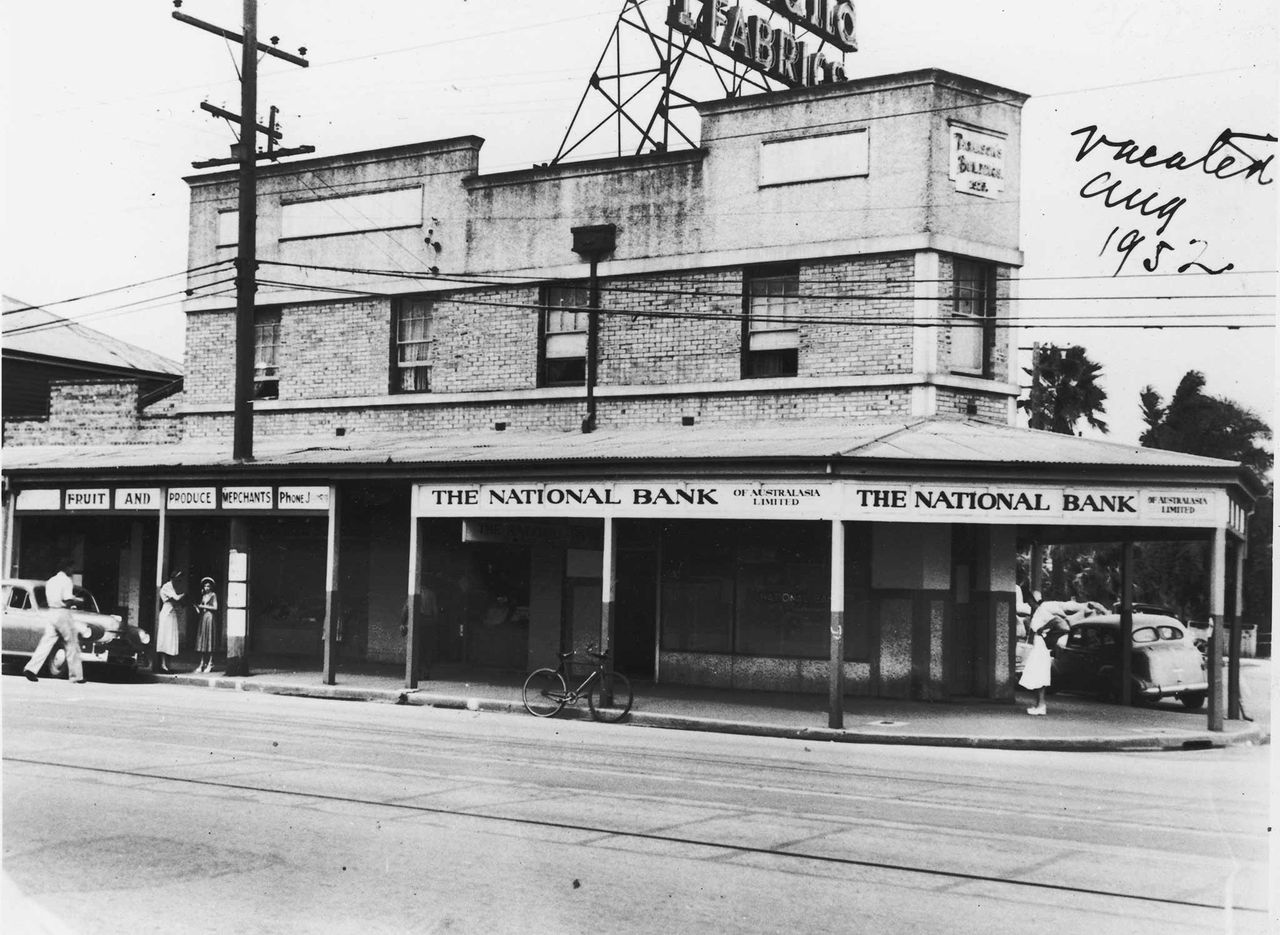
Thomason’s Buildings, Brisbane, 1952 (Photo credit: State Library of Queensland)

Built in 1925, these commercial buildings were commissioned by pharmacist and entrepreneur Thomas Watson Thomason. Positioned on the corner of Cleveland Street and Logan Road, they catered to the area’s booming retail scene and marked a turning point in the suburb’s economic prosperity.

Thomason Brothers & Co Buildings (former)

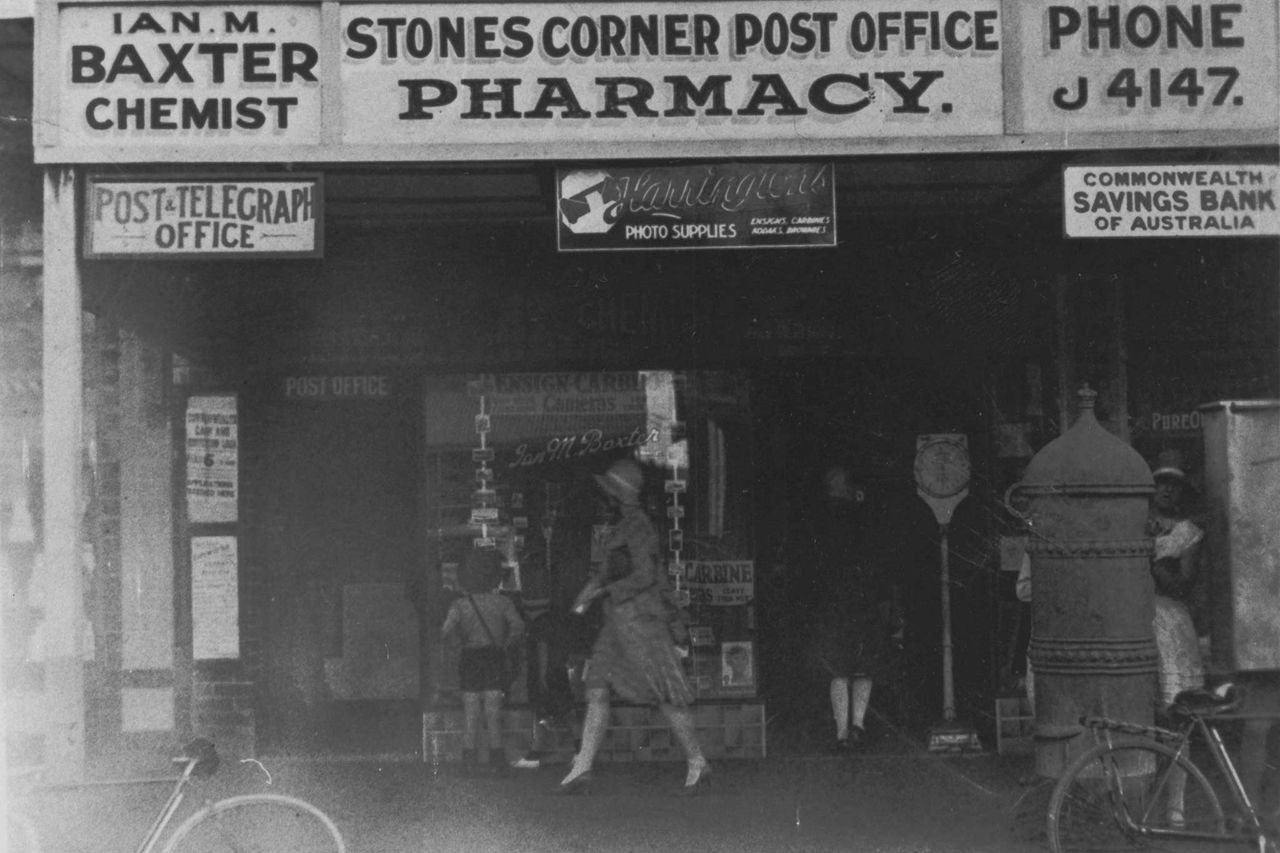
Pharmacy, Stones Corner, ca 1928 (Photo credit: State Library of Queensland)

Located further down Logan Road, these 1888 buildings were part of Thomason’s expanding chain of pharmacies. By the 1890s, Stones Corner had become a retail hotspot, complete with banks, a hotel, and a post office—Thomason’s pharmacy at its heart.

Stones Corner Air Raid Shelter

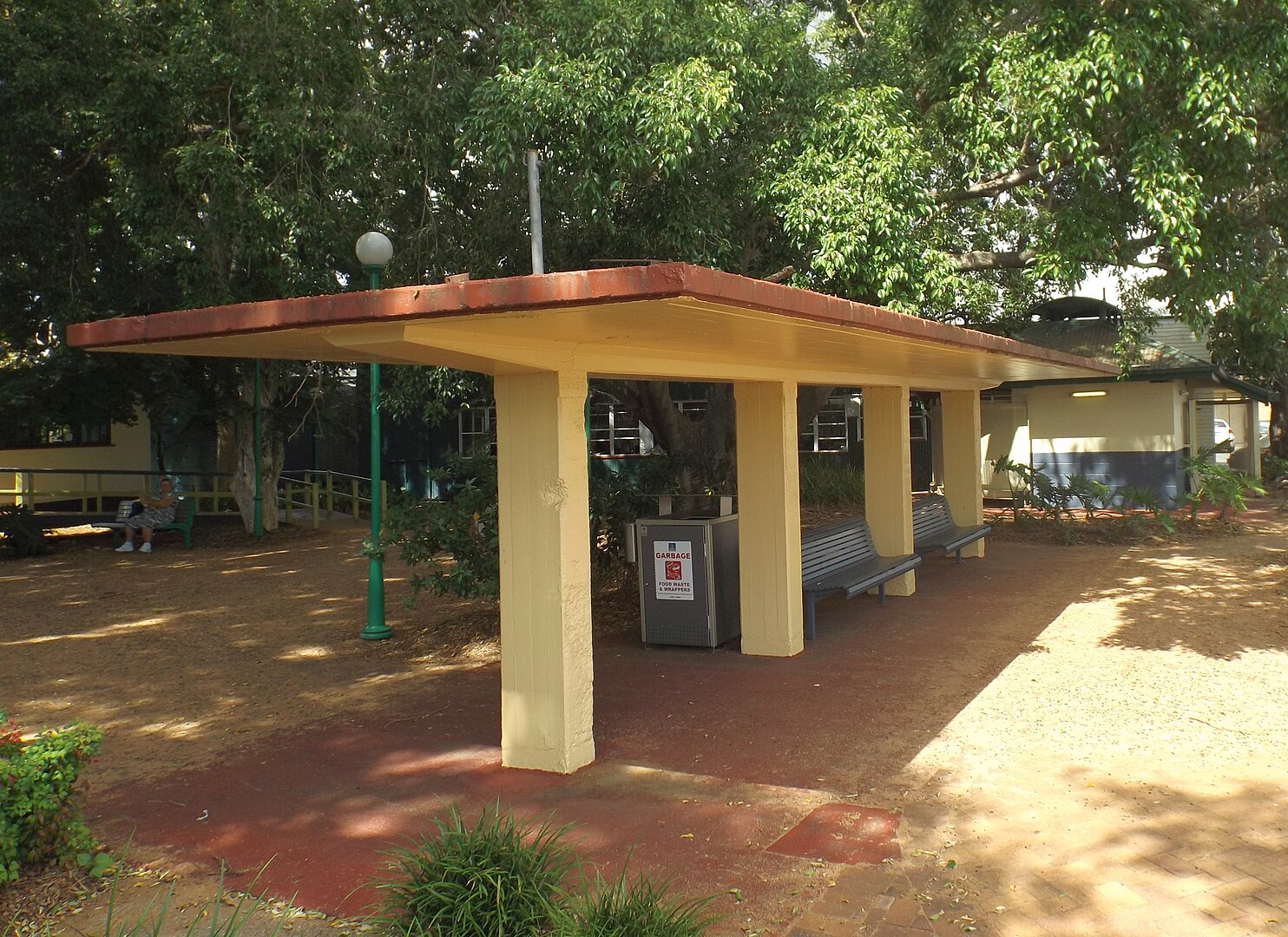
Stones Corner Air Raid Shelter, 2015 (Photo credit: CC0/Shiftchange/Wikimedia Commons)

Constructed in 1942, this shelter was built to protect locals during World War II. After the war, its sturdy design allowed it to be repurposed into a public bus shelter, reflecting the community’s optimism and resourcefulness even in times of conflict.

Commonwealth Bank of Australia (former)

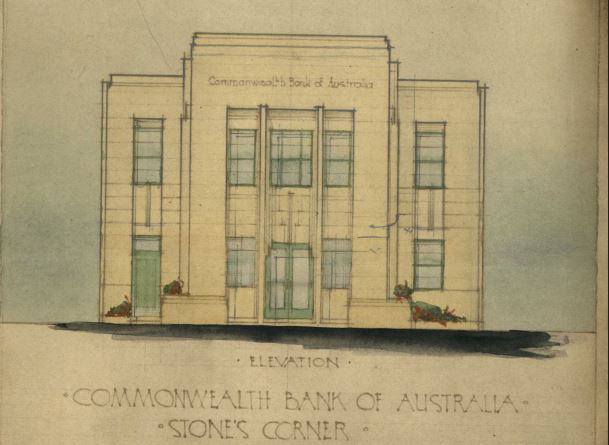
A front elevation architectural sketch of the Commonwealth Bank of Australia at Stones Corner. Construction documents, 1937-40. (Photo credit: National Archives of Australia)

Opened in 1939, this purpose-built bank symbolised Stones Corner’s financial maturity. Designed in the Stripped Classical style by Commonwealth Government architect Edwin Hubert Henderson, the building was a response to the suburb’s growing demand for financial services.

Penneys Building

Penneys shopfront, Stones Corner. Truth, 8 September 1938 (National Library of Australia)

As department stores rose to prominence in the early 20th century, Penneys brought the “one-stop shop” experience to Stones Corner. It represented the rise of middle-class consumer culture, offering everything from fashion to household goods under one roof.

The High Street

Heritage Trail
Stones Corner shops, 1956 (Photo credit: State Library of Queensland)

Logan Road was the original high street of Stones Corner, where 19th-century residents could visit a butcher, grocer, bootmaker, and even a saddler. The area was a hive of essential services, enabling newcomers to settle and thrive.

Salvation Army Hall (former)

Heritage Trail
A picture of Salvation Army Hall as it appeared in ‘The Telegraph’, 1926. (Photo credit: National Library of Australia)

Originally the Oddfellows’ Hall, this 1890 building served as a key community venue. Run by a fraternal society known for mutual aid and moral development, it offered social events and support to its members, strengthening community bonds in early Stones Corner.

Coorparoo Police Station

Coorparoo Police Station, Coorparoo, ca 1940 (Photo credit: Queensland Police Museum)

This modest police outpost at 19 Knowsley Street witnessed its share of drama. Reports from 1889 detail crimes from gang harassment to a meticulously planned safe-cracking heist, painting a picture of a suburb grappling with the challenges of rapid growth.

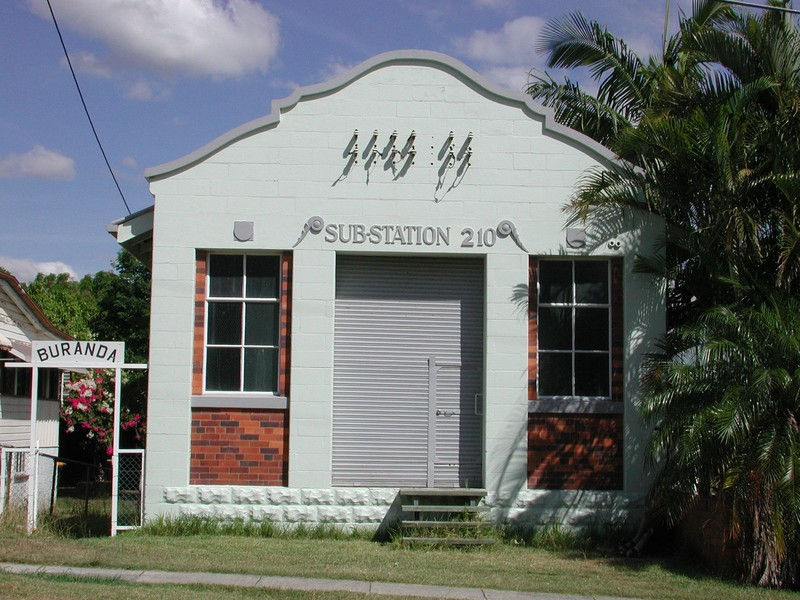
Coorparoo Substation No. 210

Coorparoo Substation No. 210, c. 2020 (Photo credit: Queensland Government)

The arrival of electric trams in 1902 did more than ease travel—it brought power to the suburb. By 1920, Stones Corner celebrated the switch-on of electric street lights, a sign of modernity fuelled by the infrastructure surrounding the tramlines.

Langlands Park

Heritage Trail
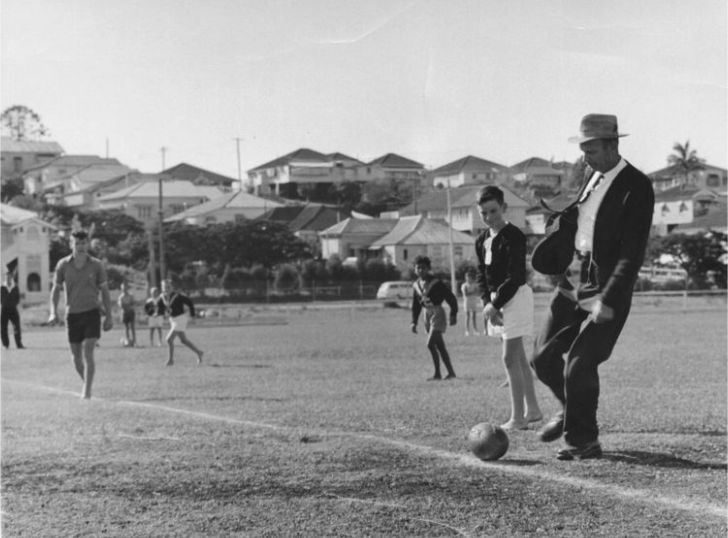
Politician Fred Bromley makes the first kick for the Junior Rugby League season at Easts League Club, Langlands Park, 1948 (Photo credit: State Library of Queensland).

Once part of the Langlands Estate, this area transitioned from pastoral stockyard to a recreational hub. As houses replaced paddocks in the 1890s, the need for green space grew—leading to the creation of Langlands Park, now a cherished community venue.


Read: First Look: Brisbane Releases Stones Corner Suburban Renewal Precinct Plans


Heritage Trail map (Photo credit: brisbane.qld.gov.au)

From muddy crossings and chemist shops to banks, department stores and electric lights, the Stones Corner Heritage Trail offers a vivid look at a suburb shaped by ambition, enterprise and community spirit. Whether you’re a history buff or curious local, this walk reveals how one corner of Brisbane came to play such a pivotal role in the city’s story.

Published 2-November-2025
Updated 28-April-2026
School Zones are Back — and Police Want Drivers to Reset their Habits

As classrooms fill again across Brisbane’s southside, police are urging motorists in suburbs like Greenslopes to ease back into school-zone driving and stay alert around busy local streets.


The end of the Easter break traditionally brings a sharp lift in traffic — more cars on the road, more families on the move, and more children walking, riding or being dropped off near schools. It’s a shift that can catch drivers off guard if habits haven’t adjusted.

The Queensland Police Service says officers are maintaining a visible presence on major roads and suburban streets as part of ongoing holiday road safety operations, with a continued focus on speeding, distraction, fatigue and impaired driving.

During the holiday period, thousands of drivers were fined for unsafe behaviour, with speeding making up a significant share. Police also conducted tens of thousands of roadside breath and drug tests, detecting a concerning number of impaired drivers.

Assistant Commissioner Rhys Wildman said high-traffic periods like school holidays — and the return to school that follows — tend to bring an increase in risky behaviour behind the wheel.

He warned that even small lapses in attention can have serious consequences, particularly in suburban areas where children are more visible and less predictable.

For Greenslopes and surrounding suburbs, the message is straightforward: expect more activity around school gates, crossings and local roads, especially during morning drop-off and afternoon pick-up.

Police are reminding drivers that school zones are strictly enforced and that slowing down is only part of the equation. Staying focused, avoiding distractions and driving to the conditions are just as critical.

With more pedestrians, cyclists and young families back on the streets this week, authorities say road safety isn’t just about enforcement — it’s about awareness.

Every decision behind the wheel, they say, carries weight.


Published 21-April-2026
Logan Road Tower Could Reach 20 Storeys Under Revised Stones Corner Development Plans

Stones Corner could soon have a taller skyline than originally anticipated, after revised plans for a residential tower on Logan Road seek to push the development to 20 storeys following the suburb’s updated precinct plan.


Read: Stones Corner Suburban Renewal Plan Now in Brisbane City Plan


Huon Property Group has lodged an amended Material Change of Use application with Brisbane for its Stone Residences project at 331-347 Logan Road and 22-24A Cleveland Street, seeking to increase the height and unit count of what was already an approved development.

The revised proposal would see the tower grow from 16 to 20 storeys, with the total unit count rising from 146 to 172 apartments and the overall bedroom tally climbing from 349 to 408. A rooftop garden has also been included in the updated design.

Render of previous approved plans (Photo credit: Brisbane PD Online – A006225822

The trigger for the revised plans was Brisbane’s adoption of the Stones Corner Suburban Renewal Precinct Plan, which came into effect in December 2025. The plan amended the eastern corridor neighbourhood plan and raised the acceptable building height for the area from 16 storeys to 20 storeys.

The original 16-storey proposal received council approval in 2024, but the updated precinct plan prompted the developer to submit an amended proposal under the new height limits.

Huon Property Group has said the revised scheme reflects an updated planning response to the site, covering building height, apartment mix and parking provision, with the group focused on delivering a development that contributes positively to the Stones Corner precinct in terms of urban design and community activation.

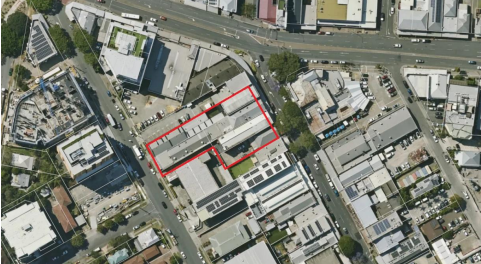
Aerial view of subject site (Photo credit: Brisbane PD Online – A006959069)

One of the more notable elements of the revised proposal is a significant reduction in car parking. The developer is seeking to scrap all basement levels, moving parking above ground across four podium levels. The result is a drop in car spaces from 314 to 194, a reduction of 120 spaces, in a move aimed at reducing construction complexity and costs.

The developer has cited the site’s proximity to the Stones Corner busway station as part of the rationale for fewer car spaces, noting the location’s access to public transport, surrounding amenities and connectivity to nearby suburbs. The revised plans also reflect an intent to support a more walkable urban lifestyle.

Bicycle parking would increase from 147 to 224 spaces, with 176 allocated to residents and 48 to visitors.

Locals raise concerns over tower plans

Photo credit: Brisbane PD Online – A006959069

The original development application attracted public submissions opposing the project. One submitter acknowledged positive elements of the project but argued the public benefits were insufficient given the additional housing yield the developer stood to gain from the relaxed height limits. 

The submission raised particular concern about a proposed pedestrian link through the site, questioning whether it would be safe or well-used. The submitter called for stronger adherence to Crime Prevention Through Environmental Design, or CPTED, principles, pointing to a lack of active edges and limited passive surveillance along the walkway.


Read: Chemist and Medical Centre, Pathology Clinic Proposed for Logan Road, Greenslopes


The amended application is currently under assessment and can be viewed through Brisbane’s PD Online with the reference A006959069.

Published 17-April-2026

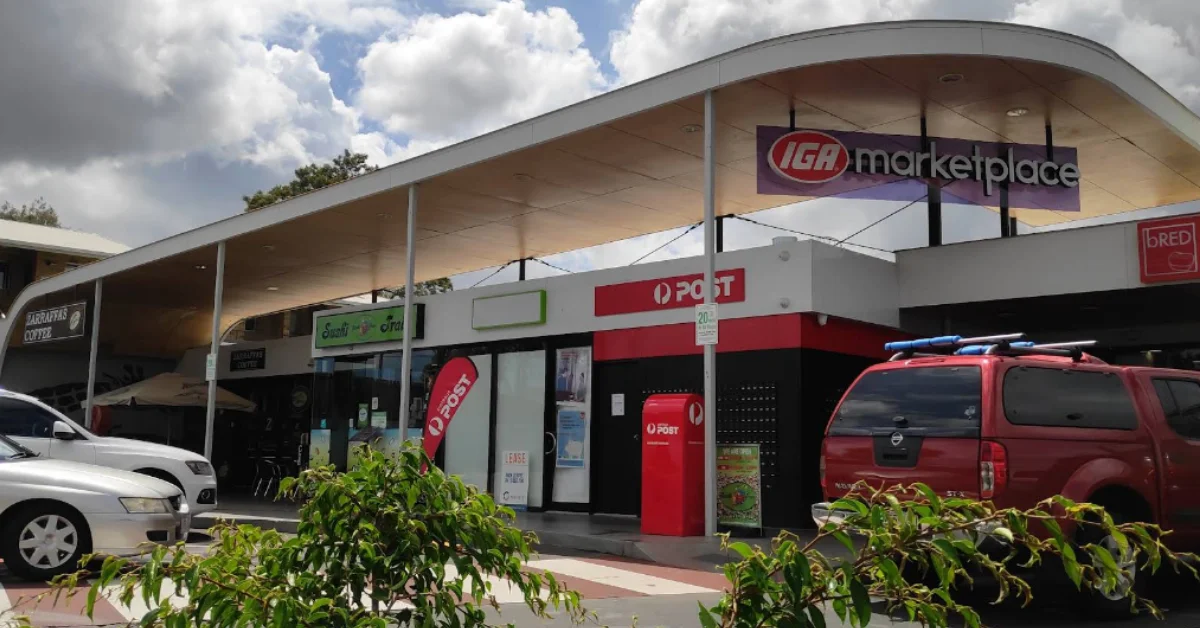
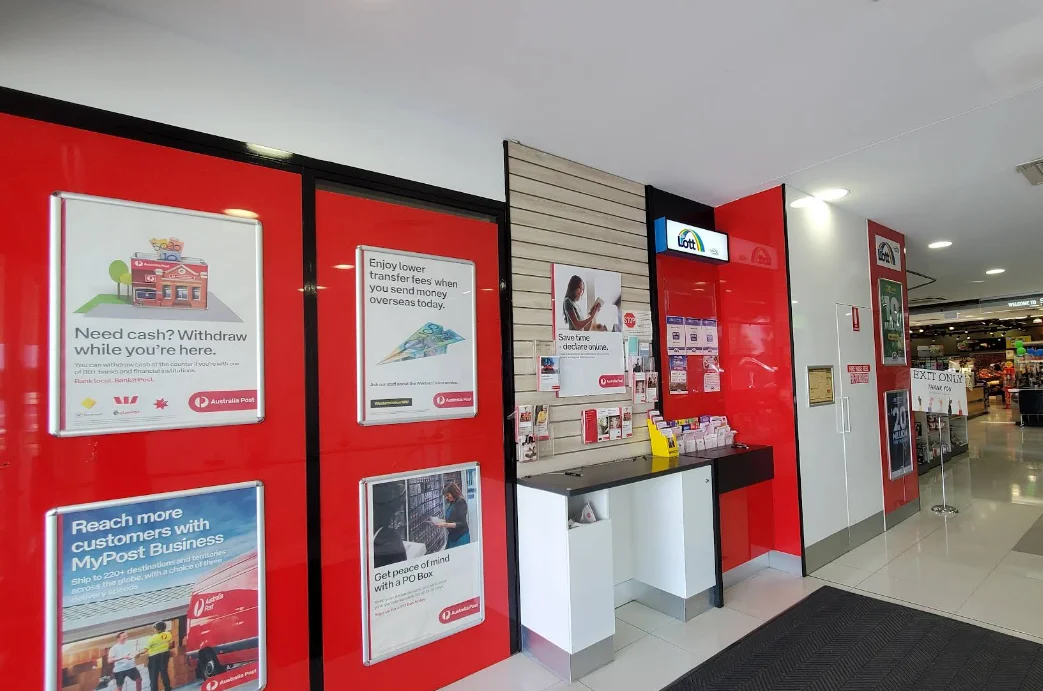
Greenslopes Post Office Shutdown Leaves Residents Seeking Alternatives 

A community petition has been launched in Greenslopes following the unexpected closure of the local post office, as residents raise concerns about access to essential services.


Greenslopes Petition Calls for Local Services Protection

A petition is circulating within the Greenslopes community after the sudden closure of the local post office, encouraging residents to voice their concerns and support efforts to protect nearby services.

The closure has drawn attention due to its timing, coming alongside concerns about a proposed shutdown of the Camp Hill Post Office. Together, these developments have intensified focus on access to postal services within the area.

The petition calls on the community to stand behind services considered essential to daily life, highlighting the role local facilities play in maintaining accessibility and connection.

Greenslopes Post Office
Photo Credit: Google Maps

More Than Just Mail in Greenslopes

Within Greenslopes, the post office had served as a key location for everyday services beyond mail handling.

Residents relied on the outlet for bill payments, passport services and face-to-face assistance, making it a central point for transactions that require in-person support. Its closure has removed a nearby option for these services, requiring residents to seek alternatives.

Parcel collection has been redirected to the Coorparoo Delivery Centre, adding travel for those with items awaiting pickup.

National Trend Adds to Greenslopes Concerns

The situation in Greenslopes reflects a broader pattern, with approximately 173 post offices closing nationally over the past two years.

Despite these closures, demand for postal and related services has not declined, contributing to widening gaps in access. The Greenslopes petition highlights these concerns at a local level, drawing attention to the importance of maintaining service availability within communities.

Community Response Continues to Build

The petition continues to gather attention as residents respond to the loss of the Greenslopes post office and the uncertainty surrounding nearby services.

The campaign focuses on ensuring that essential services remain accessible within the community, particularly for those who rely on local facilities for everyday needs.


As support builds, the Greenslopes petition reflects ongoing concern about maintaining convenient and accessible service points within the area.

Published 14-Apr-2026